Psoriasis is a chronic immune-mediated inflammatory skin disease characterised by redness, scaling, itching and the formation of typical psoriatic plaques. The condition follows a relapsing course and may affect not only the skin but also the joints, metabolic processes, psychological well-being and overall quality of life.
Alongside pharmacological treatment, balneotherapy methods are therefore of considerable interest. One of the best known is hydrogen sulfide bathing, traditionally used in spa medicine and rehabilitation practice.
Hydrogen sulfide mineral waters have been used for chronic dermatoses for many decades. Today, the mechanisms behind their effects are being actively investigated at the cellular and molecular levels.
Why is hydrogen sulfide of interest to researchers studying psoriasis? How does H₂S affect inflammation and keratinocytes? What do clinical observations show? How is a course of hydrogen sulfide baths administered, and can such procedures be reproduced outside a natural spa resort?
Let us take a closer look.
This article is based on the scientific paper:
Authors:
I. A. Morozov — Candidate of Technical Sciences, Vice-President of the Ukrainian Academy of Rehabilitation and Human Health (UARHH), Head of the Laboratory of Hydrogen Treatment of Materials at the I. M. Frantsevich Institute for Problems of Materials Science of the National Academy of Sciences of Ukraine.
A. Ya. Pirogov — Candidate of Economic Sciences, President of the Ukrainian Academy of Rehabilitation and Human Health (UARHH), Board Member of the Ukrainian Association of Physical Medicine.
What Is Psoriasis and Why Does Its Treatment Require a Comprehensive Approach?
Psoriasis is a chronic immune-mediated inflammatory disease.
It is characterised by disturbances in epidermal cell renewal, inflammatory changes in the skin and the formation of typical psoriatic plaques.
Common manifestations may include:
-
skin redness;
-
scaling;
-
itching;
-
dryness;
-
plaque formation;
-
periods of exacerbation and remission.
Psoriasis is not limited to the skin. Some patients develop psoriatic arthritis, while the disease itself may be associated with metabolic disorders and can significantly affect psychological well-being and quality of life.
The original scientific material reports a psoriasis prevalence of approximately 2–4% of the global population and up to 5% in Ukraine, while psoriatic arthritis is estimated to occur in approximately 30% of cases.
Modern psoriasis therapy may include topical medications, corticosteroids, vitamin D3 analogues, UVB phototherapy, systemic medications, methotrexate, cyclosporine and biologic therapy, including medicines targeting TNF-α, IL-17 and IL-23.
The choice of treatment depends on the type and severity of the disease, the area of skin affected, the presence of psoriatic arthritis, comorbidities and previous response to therapy.
For this reason, balneotherapy should not be regarded as a universal replacement for primary treatment, but rather as one component of a comprehensive approach to rehabilitation and care for chronic dermatoses.
What Are Hydrogen Sulfide Baths?
Hydrogen sulfide baths are balneological procedures using water containing hydrogen sulfide (H₂S) and its dissociated forms.
In nature, such waters are formed under specific geological conditions and are used at balneological and spa resorts.
In Ukraine, the use of hydrogen sulfide and sulfide mineral waters has a long tradition in spa treatment and physical rehabilitation.
However, modern scientific interest in H₂S extends far beyond traditional spa medicine.
Hydrogen Sulfide Is More Than a Component of Mineral Water
Hydrogen sulfide (H₂S) is now recognised in biology as an endogenous gasotransmitter — a signalling molecule that is also naturally produced within the human body.
Other recognised gasotransmitters include nitric oxide (NO) and carbon monoxide (CO).
H₂S participates in the regulation of cellular signalling processes, redox balance, vascular responses and inflammatory reactions.
For this reason, the effects of hydrogen sulfide waters are no longer studied only empirically — researchers are investigating the specific molecular mechanisms involved.
How May Hydrogen Sulfide Baths Act in Psoriasis?
Psoriasis involves complex interactions between the immune system, pro-inflammatory cytokines and skin cells — particularly keratinocytes.
This is why the ability of H₂S to influence several components of these processes is of particular interest.
The scientific paper identifies several principal mechanisms.
1. Effects on Inflammatory Processes
Pro-inflammatory signalling molecules involved in the development of psoriasis include TNF-α, IL-17, IL-6, IL-8 and other mediators.
Experimental studies have demonstrated the ability of H₂S to modulate inflammatory responses.
In particular, studies involving keratinocytes have shown that hydrogen sulfide can affect IL-8 production induced by IL-17 and IL-22.
This is particularly relevant to psoriasis because the IL-23/Th17 axis is now considered one of the key mechanisms involved in its pathogenesis.
2. Effects on Keratinocytes
Keratinocytes are the primary cells of the epidermis.
In psoriasis, their normal renewal cycle is disrupted: cells proliferate considerably faster than in healthy skin.
This contributes to the formation of characteristic thickened plaques and scaling.
Experimental studies indicate that H₂S may influence keratinocyte proliferation and cellular signalling mechanisms.
In particular, its effects on the MAPK/ERK pathway, which participates in the regulation of cell growth and proliferation, have been described.
3. Effects on NF-κB and Other Signalling Pathways
NF-κB is an important regulator of the inflammatory response.
Its activation is associated with the production of a range of pro-inflammatory mediators.
Research has demonstrated that H₂S may influence NF-κB as well as MAPK/ERK and other intracellular signalling systems.
Modern reviews examining the mechanisms of H₂S in balneology also discuss Nrf2/ARE, PI3K/Akt, MAPK/ERK, Wnt and other pathways.
4. Antioxidant-Related Effects
Oxidative stress is one of the processes studied in connection with chronic inflammation in psoriasis.
H₂S participates in the regulation of cellular redox balance and may influence antioxidant defence systems.
This antioxidant component is considered one of the possible mechanisms behind the effects of hydrogen sulfide mineral waters.
5. Immunomodulatory Effects
The original paper separately discusses the potential influence of H₂S on the balance between Th17 cells and regulatory T cells.
This is a promising area of research because the Th17 response is directly associated with the pathogenesis of psoriasis.
6. Effects on Microcirculation
H₂S has vasoactive properties and participates in the regulation of vascular tone.
Changes in local microcirculation may therefore represent one component of the effects produced by hydrogen sulfide procedures.
7. The Psycho-Emotional Component of Balneotherapy
Psoriasis and stress are often interconnected.
A chronic skin disease can itself significantly reduce quality of life, while psychological and emotional stress may accompany exacerbations in some people.
Balneotherapy combines the direct effects of the mineral environment with the thermal, hydrostatic and relaxing effects of a water-based procedure.
For this reason, balneotherapy studies evaluate not only the condition of the skin but also quality of life, sleep and psychological discomfort.
What Does Research Show About Hydrogen Sulfide Baths for Psoriasis?
Clinical studies commonly use the PASI — Psoriasis Area and Severity Index — to assess the severity of psoriasis.
This index takes into account both the area affected and the severity of the principal manifestations of psoriasis.
Another measure is the DLQI — Dermatology Life Quality Index, which assesses the impact of a dermatological condition on a person's quality of life.
The scientific review by I. A. Morozov and A. Ya. Pirogov presents results from a number of international and Ukrainian studies:
Giannetti et al. (2019) — 80 patients with plaque psoriasis. Following a course of 12 H₂S baths at a concentration of 40 mg/L combined with topical treatment, the review reported a 56% reduction in PASI and a 40% reduction in DLQI; the effect persisted for up to three months.
Bender et al. (2022) — in a placebo-controlled study cited in the review, PASI decreased by 49% in the H₂S group compared with 18% in the control group.
Koca et al. (2020) — following a 15-day course of hydrogen sulfide baths, remission lasted for at least six months in 68% of patients, according to the authors' review.
Lee et al. (2024) — when UVB phototherapy was combined with baths, the review reported a 65–70% reduction in PASI and a 50% reduction in DLQI.
Martinez et al. (2023) — improvement was reported in 55% of patients with psoriatic arthritis, including reductions in pain and stiffness.
Pecherytskyi O. I. (2021) — in a Ukrainian study involving 43 patients, the review reported a 6.8-point reduction in PASI, a 60% reduction in itching, a 45% reduction in DLQI and a 42% reduction in the affected skin area.
The authors of the review consider these findings an argument in favour of further investigation of H₂S balneotherapy for psoriasis.
At the same time, modern systematic reviews emphasise the need for further high-quality controlled studies and standardisation of balneological protocols.
Reduction in PASI Score After a Course of Hydrogen Sulfide Baths
Giannetti (2019) — 56%
Bender (2022) — 49%
Koca (2020) — 68%
Lee (2024) — 65%
Pecherytskyi (2021) — 42%
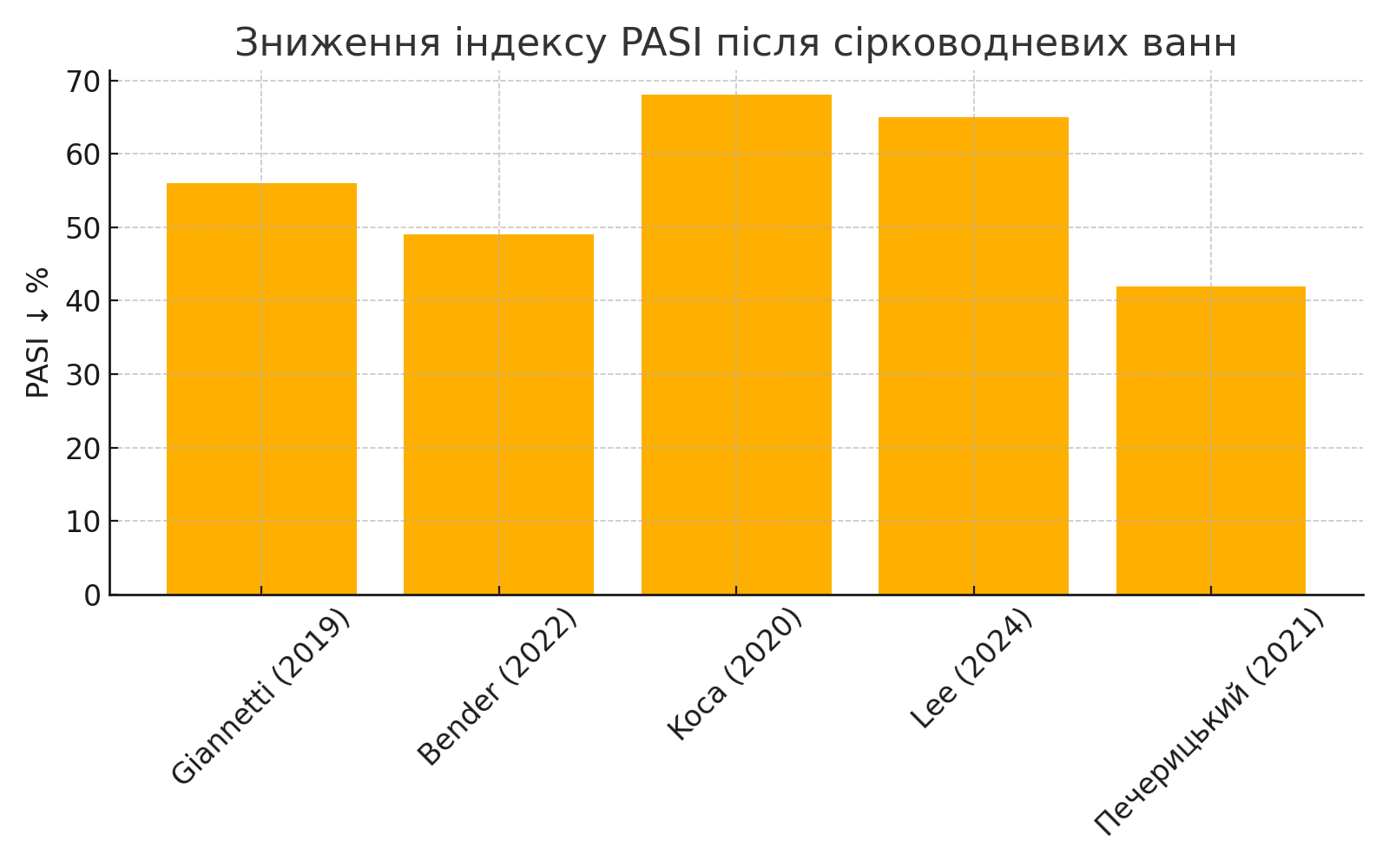
Figure 1. Reduction in the PASI score after a course of hydrogen sulfide baths according to the studies included in the scientific review.
Hydrogen Sulfide Baths and Itching in Psoriasis
Skin itching deserves particular attention, as it is one of the most troublesome manifestations of psoriasis for many people.
It may disrupt sleep, increase irritability, provoke scratching and further worsen the condition of the skin.
The scientific review of Ukrainian clinical experience reports a reduction in itching following a course of balneotherapy.
Modern H₂S research also examines its interaction with neuroimmune mechanisms of itching and inflammatory mediators.
The effect of hydrogen sulfide waters on pruritus is therefore a separate and promising area of research.
Hydrogen Sulfide Baths for Psoriatic Arthritis
Psoriatic arthritis is an inflammatory joint disease associated with psoriasis.
It may manifest as:
-
pain;
-
morning stiffness;
-
joint swelling;
-
restricted mobility;
-
discomfort during physical activity.
Balneotherapy has traditionally been used in the rehabilitation of musculoskeletal conditions.
The original review cites data from Martinez et al. (2023), in which improvement was observed in 55% of patients with psoriatic arthritis, particularly in relation to pain and stiffness.
At the same time, balneotherapy does not replace disease-modifying treatment for psoriatic arthritis because uncontrolled inflammation may lead to structural joint damage.
Hydrogen Sulfide Baths in Ukrainian Spa and Rehabilitation Practice
Ukraine has a long tradition of using natural mineral waters in balneotherapy.
The original paper mentions Sataniv, Nemyriv, Soimy and Truskavets, with H₂S concentrations in the corresponding therapeutic waters reported in the range of 10–55 mg/L.
In spa practice, balneotherapy may be combined with other rehabilitation methods, including:
-
peloid therapy — therapeutic mud applications;
-
hydrokinesiotherapy;
-
climatotherapy;
-
psychotherapy;
-
dietary therapy;
-
physical rehabilitation;
-
other methods prescribed by a specialist.
A comprehensive approach is aimed not only at the local condition of the skin but also at overall physical and psychological recovery.
How Are Hydrogen Sulfide Baths Taken?
The original scientific paper describes a typical hydrogen sulfide bathing protocol used in balneological practice:
Water temperature: approximately 36–37°C.
Duration of one procedure: 10–15 minutes.
H₂S concentration: 10–50 mg/L.
Course: 10–15 procedures.
Interval: one procedure every 1–2 days, depending on the protocol.
Specific parameters may vary depending on the concentration of hydrogen sulfide, the individual's condition, comorbidities and specialist recommendations.
Can Hydrogen Sulfide Baths Be Taken at Home?
Natural hydrogen sulfide springs are not accessible to everyone.
For this reason, one area of modern balneology has been the development of artificial hydrogen sulfide baths, which make it possible to create the required balneological environment without access to a natural H₂S source.
The scientific paper describes a combination of three main components in specific proportions for preparing such a bath:
-
sodium sulfide — 33 g;
-
potassium hydrogen sulfate — 104 g;
-
sodium bicarbonate — 20 g.
When these components interact in an aqueous environment, H₂S is produced.
However, this chemical formulation should not be reproduced independently from separate chemical reagents at home. Hydrogen sulfide is a biologically active gas, and both its concentration and conditions of use must be controlled.
Ready-to-use products for preparing artificial hydrogen sulfide baths are available specifically to standardise the procedure.
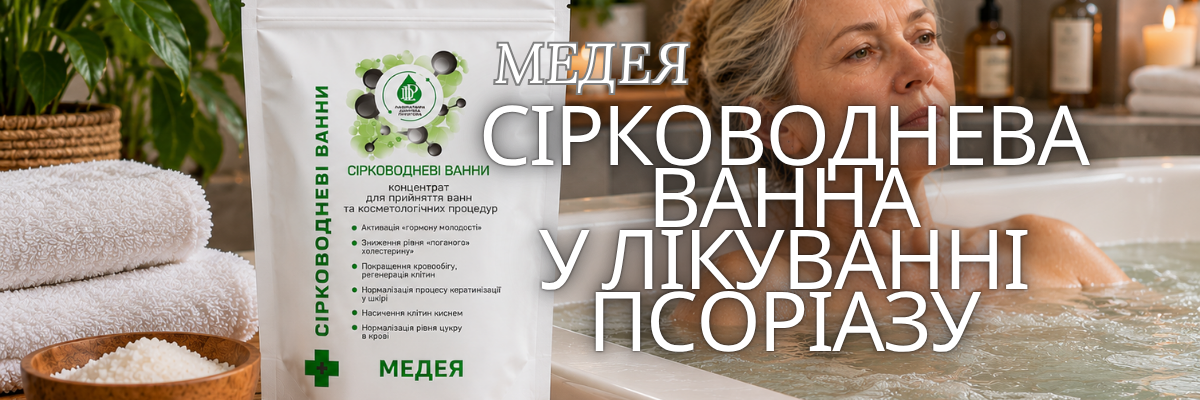
Medea — Hydrogen Sulfide Baths Without Travelling to a Spa Resort
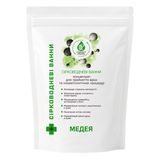
One of the products available on the Ukrainian market for preparing artificial hydrogen sulfide baths is Medea by Doctor Pirogov Laboratory.
The product was developed to create a hydrogen sulfide balneological environment where natural hydrogen sulfide springs are unavailable.
The possibility of preparing artificial H₂S baths makes this form of balneotherapy more accessible.
Medea can be used in accordance with its instructions and specialist recommendations for a course of hydrogen sulfide bathing procedures.
This may be particularly relevant for people who find it difficult to undergo regular treatment courses at a balneological resort or sanatorium.
For people with psoriasis, the use of such procedures should be discussed with a dermatologist or a physical and rehabilitation medicine physician, particularly in the presence of comorbidities.
Natural vs Artificial Hydrogen Sulfide Baths: What Is the Difference?
The main advantage of a natural spring is the mineral composition created by nature, where hydrogen sulfide may occur together with other mineral components.
An artificial bath is prepared by creating the required balneological environment under controlled conditions.
Its practical advantage is the availability of the procedure in locations where natural hydrogen sulfide springs do not exist.
This is why artificial mineral baths have long been used in physiotherapy and spa medicine.
Hydrogen Sulfide Baths for Psoriasis: Safety and Possible Reactions
Like any physiotherapeutic or balneological procedure, hydrogen sulfide baths have limitations.
The original scientific paper provides the following description of possible reactions.
Mild Reactions
The reported frequency is approximately 15–20%.
Possible reactions include:
-
skin irritation;
-
discomfort;
-
the characteristic smell of H₂S.
Correct procedure, adherence to instructions and adequate ventilation are important for reducing such effects.
Moderate Reactions
The original paper reports a frequency below 3%.
Possible reactions include allergic dermatitis.
Individual sensitivity should be taken into account in people prone to skin reactions.
Severe Reactions
The original review reports a frequency below 0.1%.
Possible manifestations include:
-
hypotension;
-
tachycardia.
For this reason, people with cardiovascular conditions should be particularly careful to discuss a course of treatment with their physician.
According to data cited by the authors of the scientific paper, up to 98% of patients in Ukrainian clinical practice completed the full course without significant adverse reactions.
Who Should Not Take Hydrogen Sulfide Baths?
The scientific paper distinguishes between absolute and relative contraindications.
Absolute Contraindications
The authors include:
-
individual hypersensitivity to H₂S;
-
active oncological disease;
-
acute infectious diseases;
-
severe heart failure;
-
severe forms of ischaemic heart disease;
-
uncontrolled arterial hypertension.
Relative Contraindications
These include:
-
pregnancy;
-
breastfeeding;
-
decompensated diabetes mellitus;
-
dermatological lesions with an infectious component.
In the presence of chronic diseases, the suitability of a course of hydrogen sulfide baths should be assessed individually.
Hydrogen Sulfide Baths, Phototherapy, Methotrexate and Biologic Therapy: Can They Be Compared?
The original scientific paper provides a comparative overview of different psoriasis treatment methods.
According to the authors' review:
| Method | PASI Reduction | Main Adverse Effects | Reported Duration of Remission |
|---|---|---|---|
| Hydrogen sulfide baths | 42–70% | mainly local irritation | 6–12 months |
| UVB therapy | 60–75% | erythema, photoageing | 3–6 months |
| Methotrexate | 40–60% | possible systemic adverse effects | 1–3 months |
| Biologic therapy | 75–90% | depends on the specific medication | 6–24 months |
The paper also provides an economic comparison of treatment courses: approximately USD 50–225 for hydrogen sulfide baths, USD 300–500 for UVB therapy, USD 20–50 for methotrexate and USD 5,000–15,000 for biologic therapy.
However, these figures should be regarded specifically as comparative data from the original review, not as current prices or as a basis for choosing directly between treatment methods.
These therapies are not interchangeable.
Biologic medicines, systemic therapy, phototherapy and balneotherapy have different indications and different roles in psoriasis management.
The authors specifically emphasise that hydrogen sulfide baths are not the treatment of choice for severe psoriasis, but may be of interest because of their accessibility and potential inclusion in comprehensive rehabilitation.
Average Cost of a Treatment Course
-
hydrogen sulfide baths;
-
UVB therapy;
-
methotrexate;
-
biologic therapy.
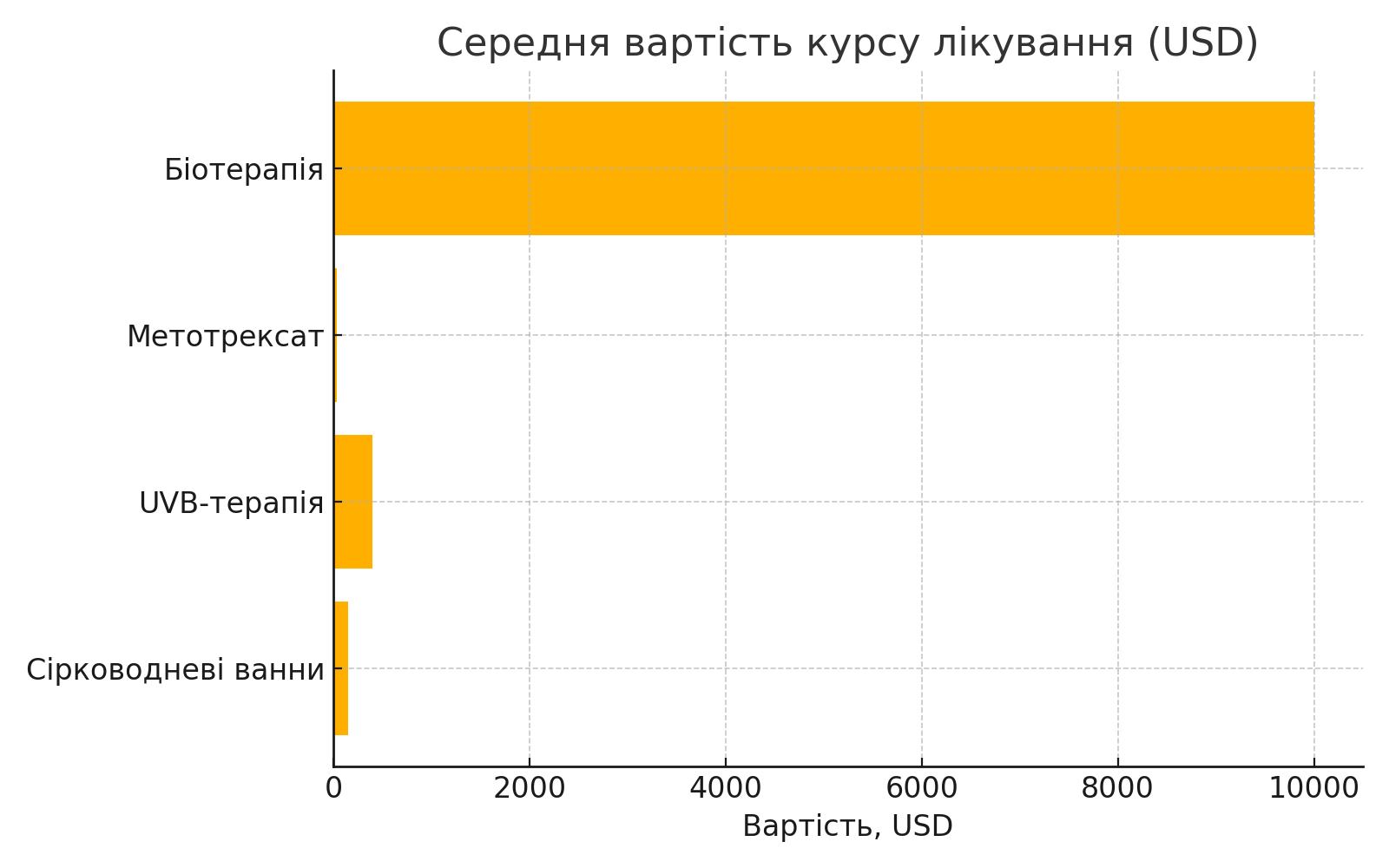
Figure 2. Comparison of the average cost of a treatment course using different methods according to the data presented in the original scientific review.
Can Hydrogen Sulfide Baths Be Combined with Other Psoriasis Treatments?
Balneotherapy is often used as part of a comprehensive approach.
In the scientific paper, the best results are associated with comprehensive programmes that may include:
-
hydrogen sulfide baths;
-
phototherapy;
-
dietary therapy;
-
psychological support;
-
other rehabilitation methods.
The combination of specific procedures with pharmacological treatment should be discussed with a physician.
This is particularly important in moderate-to-severe psoriasis and psoriatic arthritis.
Hydrogen Sulfide Baths and Quality of Life in Psoriasis
Psoriasis is much more than visible changes to the skin.
Itching, scaling, visible plaques, the chronic course of the disease and periodic exacerbations may affect:
-
sleep;
-
self-esteem;
-
social life;
-
ability to work;
-
emotional well-being;
-
anxiety levels.
This is why psoriasis studies use the DLQI — Dermatology Life Quality Index — alongside PASI.
The data analysed in the original paper indicate not only changes in skin manifestations but also improvements in quality-of-life measures.
Systematic reviews of modern balneotherapy studies also report positive changes in symptoms and patient-oriented outcomes in psoriasis following courses of thermal mineral baths.
What Is Currently Known About H₂S and Psoriasis at the Molecular Level?
Our understanding of hydrogen sulfide has changed considerably in recent years.
Whereas H₂S was previously viewed mainly as a component of hydrogen sulfide mineral waters, it is now being studied as a biological signalling molecule.
Experimental studies have shown that H₂S may:
-
influence signalling processes in keratinocytes;
-
modulate MAPK/ERK;
-
influence NF-κB;
-
alter the production of certain pro-inflammatory mediators;
-
participate in the regulation of oxidative stress;
-
influence cellular proliferation;
-
interact with mechanisms of the immune response.
One study found that patients with progressive psoriasis had lower serum levels of endogenous H₂S than the control group and that these levels were negatively correlated with disease severity. In the experimental part of the same study, H₂S inhibited TNF-α-induced increases in IL-6 and IL-8 and influenced p38, ERK and NF-κB.
This does not mean that H₂S levels alone determine the course of psoriasis. However, such findings help explain why hydrogen sulfide continues to attract the attention of dermatologists, physiologists and specialists in balneology.
What Does a Modern Systematic Review Say About Balneotherapy?
A systematic review of studies examining thermal mineral baths for dermatological diseases reported improvements in signs and symptoms of psoriasis and eczematous conditions in the included studies.
The authors distinguish between two components of thermal bathing:
Non-specific hydrotherapeutic effects — water temperature, mechanical effects and hydrostatic pressure.
Specific balneological effects — the physicochemical properties of the particular mineral water.
Sulfur and hydrogen sulfide waters are of particular interest in dermatology because of their interaction with the skin and processes involving keratinisation, inflammation and oxidative balance.
Can Hydrogen Sulfide Baths Cure Psoriasis Permanently?
Psoriasis is a chronic disease.
The goals of therapy are therefore to control the disease, reduce its manifestations, achieve and maintain remission, improve quality of life and, where necessary, control systemic inflammation.
Balneotherapy may be used as one component of this approach, particularly in mild and moderate forms and as part of rehabilitation programmes.
In severe psoriasis or psoriatic arthritis, decisions regarding primary therapy should be made by a physician.
Prospects for Hydrogen Sulfide Balneotherapy in Ukraine
The authors of the original paper pay particular attention to Ukraine's potential for the development of this field.
This concerns not only natural hydrogen sulfide spa resorts.
The development of products for preparing artificial hydrogen sulfide baths makes it possible to use balneological methods where access to a natural mineral spring is unavailable.
This creates opportunities for:
-
sanatoriums;
-
rehabilitation centres;
-
physiotherapy departments;
-
outpatient rehabilitation;
-
course-based home use under appropriate recommendations.
In the original scientific paper, Medea is specifically mentioned as a product that has found practical application for creating artificial hydrogen sulfide baths where natural sources are unavailable.
What Should Be Considered Before a Course of Hydrogen Sulfide Baths for Psoriasis?
Before starting a course, several factors should be taken into account:
Type and activity of psoriasis. The condition of the skin during a stable period and during an active exacerbation may require different approaches.
Comorbidities. Cardiovascular disease, blood pressure, acute infections and other conditions listed among the contraindications are particularly important.
Bath temperature. A higher temperature does not mean a better result. Procedure parameters matter in balneotherapy.
Duration of the procedure. Typical protocols involve approximately 10–15 minutes.
Course-based use. Balneotherapy is traditionally administered as a course rather than as a single procedure.
H₂S concentration. This is one of the key parameters of a hydrogen sulfide bath.
Ventilation. The room must be well ventilated when artificial hydrogen sulfide procedures are carried out.
Methodology of the Scientific Paper
The authors of the original article analysed data from six clinical trials and two national sources.
The principal clinical outcome measures were PASI and DLQI.
Results before and after treatment were compared.
Clinical effectiveness, safety, possible adverse reactions and the prospects for using hydrogen sulfide baths in Ukrainian rehabilitation practice were evaluated separately.
What Are the Limitations of the Available Research?
This point is particularly important for correctly interpreting the results.
The authors of the scientific paper identify several limitations:
-
an insufficient number of long-term studies lasting more than one year;
-
small sample sizes in Ukrainian clinical studies;
-
an insufficient number of placebo-controlled trials;
-
a lack of standardised assessment of psycho-emotional status.
Balneotherapy for psoriasis therefore remains a promising area that requires further large-scale research.
Conclusions
Hydrogen sulfide baths for psoriasis represent a traditional balneological method whose mechanisms are increasingly being explained at the molecular level.
Hydrogen sulfide (H₂S) is a biologically active signalling molecule that interacts with processes associated with inflammation, oxidative stress, keratinocyte function, cellular signalling pathways and microcirculation.
Clinical and balneological studies report reductions in the severity of skin manifestations and itching, as well as improvements in quality of life following courses of mineral baths.
At the same time, hydrogen sulfide balneotherapy should not be positioned in opposition to modern psoriasis treatment. Its role is primarily within a comprehensive approach and rehabilitation programme, taking into account disease severity, comorbidities and contraindications.
Ukraine has its own traditions of using hydrogen sulfide mineral waters, while modern products for preparing artificial baths make this area of balneotherapy more accessible outside natural spa resorts.
One such product is Medea by Doctor Pirogov Laboratory, designed for the preparation of artificial hydrogen sulfide baths in accordance with the instructions for use.
Frequently Asked Questions About Hydrogen Sulfide Baths for Psoriasis
Do Hydrogen Sulfide Baths Help with Psoriasis?
Balneotherapy using sulfur and hydrogen sulfide mineral waters is being studied as an adjunctive method for psoriasis. Clinical studies have described reductions in certain skin symptoms and improvements in quality of life following a course of procedures. Results depend on the form and severity of psoriasis and the overall treatment programme.
How Does Hydrogen Sulfide Affect the Skin in Psoriasis?
H₂S interacts with keratinocytes and cellular signalling systems associated with inflammatory responses, oxidative stress and cell proliferation. Its effects on MAPK/ERK, NF-κB and pro-inflammatory mediators are among the mechanisms being investigated.
How Many Hydrogen Sulfide Baths Are Needed?
The original scientific paper describes a typical course of 10–15 procedures. The protocol may involve an interval of 1–2 days between procedures.
What Temperature Should a Hydrogen Sulfide Bath Be?
The balneological protocols cited in the paper use temperatures of approximately 34–37°C depending on the specific protocol.
How Long Should a Hydrogen Sulfide Bath Last?
A typical procedure lasts approximately 10–15 minutes.
Can Hydrogen Sulfide Baths Be Prepared at Home?
Ready-to-use products are available for preparing artificial hydrogen sulfide baths. Independently mixing chemical reagents to generate H₂S at home is not recommended. Prepared products should be used strictly according to their instructions and with due consideration of contraindications.
Can Medea Be Used for Psoriasis?
Medea is used to prepare artificial hydrogen sulfide baths. In the scientific paper devoted to H₂S balneotherapy for psoriasis, this product is discussed in the context of reproducing hydrogen sulfide procedures where no natural source is available. For psoriasis, a course should preferably be discussed with a specialist.
Can Hydrogen Sulfide Baths Be Taken During a Psoriasis Flare-Up?
This depends on the nature and severity of the exacerbation, the condition of the skin and any comorbidities. During an active flare, the procedure protocol should be discussed with a dermatologist.
Can Hydrogen Sulfide Baths Reduce Itching?
Clinical observations cited in the original review describe reductions in itching following a course of balneotherapy. The mechanisms behind the potential antipruritic effects of H₂S also continue to be investigated.
Can Hydrogen Sulfide Baths Be Combined with UVB Phototherapy?
Combined balneotherapy and phototherapy have been investigated in scientific studies. The specific protocol and sequence of procedures should be determined by a specialist.
Are Hydrogen Sulfide Baths Used for Psoriatic Arthritis?
Balneotherapy is used in the rehabilitation of musculoskeletal conditions, and the original review reports reductions in pain and stiffness in some patients with psoriatic arthritis. It does not replace disease-modifying treatment for psoriatic arthritis.
Scientific Sources
-
Morozov I. A., Pirogov A. Ya. “Hydrogen Sulfide Baths in the Treatment of Psoriasis: Mechanisms of Action, Clinical Effectiveness, Safety and Prospects for Use in Rehabilitation Practice in Ukraine.” 2025.
-
Mirandola P. et al. Hydrogen sulfide inhibits IL-8 expression in human keratinocytes via MAP kinase signaling. Laboratory Investigation. 2011;91(8):1188–1194.
-
Gobbi G. et al. Hydrogen sulfide impairs keratinocyte cell growth and adhesion inhibiting mitogen-activated protein kinase signaling. Laboratory Investigation. 2009;89(9):994–1006.
-
Alshorafa A. K. et al. Psoriasis is associated with low serum levels of hydrogen sulfide, a potential anti-inflammatory molecule. Tohoku Journal of Experimental Medicine. 2012;228(4):325–332.
-
Balneotherapy using thermal mineral water baths and dermatological diseases: a systematic review. Systematic review of thermal mineral water balneotherapy in psoriasis and other dermatological conditions.
-
Carbajo J. M., Maraver F., Vela L., Munteanu C. Hydrogen Sulfide in Balneology: Physiology, Evidence, and Clinical Translation. International Journal of Molecular Sciences. 2025;26(21):10790.
-
Role of hydrogen sulfide in dermatological diseases. Review of the biological role of H₂S and the therapeutic potential of H₂S donors in dermatology. 2024.
-
Giannetti A. et al. (2019). Balneotherapy in plaque psoriasis. Source cited in the original review by I. A. Morozov and A. Ya. Pirogov.
-
Koca I. et al. (2020). Sulfur-rich spa water and psoriasis. Source cited in the original review.
-
Pecherytskyi O. I. (2021). Experience of Spa Treatment for Psoriasis. Source cited in the original review.
-
Bender M. et al. (2022). H₂S baths vs. placebo. Source cited in the original review.
-
Lee J. et al. (2024). Combined H₂S and UVB. Source cited in the original review.
-
Martinez D. et al. (2023). Psoriatic arthritis response. Source cited in the original review.