Selenium — a Shield and Sword in the Fight for Health
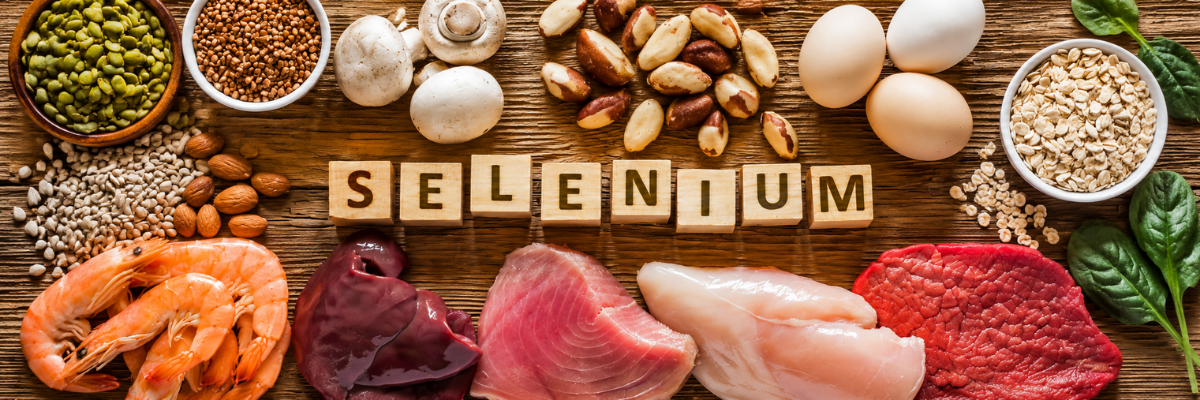
The human body contains only a very small amount of selenium, yet the importance of this trace element is difficult to overestimate. Selenium is essential for the antioxidant defence system and is involved in immune processes, thyroid hormone metabolism, reproductive function, and the protection of cells against oxidative stress.
This is why selenium is often referred to as one of the trace elements associated with active longevity.
Its role can be compared to both a shield and a sword: on the one hand, selenium-containing enzymes help protect cells from excessive oxidation; on the other, selenium participates in systems that help the body adapt to internal and external stressors.
When selenium levels are insufficient, many different physiological processes may be affected.
Why Does the Body Need Selenium?
The biological activity of selenium is largely associated with selenoproteins — special proteins that contain selenium. Twenty-five selenoproteins have been identified in the human body.
These include glutathione peroxidases and thioredoxin reductases, which are involved in neutralising peroxides, regulating redox processes, and protecting cellular structures.
Through these mechanisms, selenium is associated with:
- antioxidant protection of cells;
- normal immune system function;
- thyroid hormone metabolism;
- reproductive function;
- cardiovascular health;
- protection of cell membranes;
- ageing processes;
- the body's response to inflammation and other stress factors.
Selenium also interacts closely with other components of the antioxidant system. Its relationship with vitamin E is particularly interesting: modern biochemical research shows that vitamin E and selenium-dependent enzymes act at different stages of protecting cell membrane lipids against oxidation.
Selenium Deficiency: Why It Should Not Be Ignored
Selenium status depends on more than diet alone. The amount of this trace element in plant-based foods is largely determined by its concentration in the soil, which means selenium status can vary considerably between populations living in different geographical regions.
Severe selenium deficiency is associated with impaired activity of selenium-dependent enzymes and weakened antioxidant defence. Its relationship with immune, cardiovascular and reproductive function, thyroid health, inflammation, and ageing continues to be studied.
One of the best-known historical examples is Keshan disease — a cardiomyopathy observed in regions of China with extremely low selenium levels.
Interesting findings have also come from the Balkans. In some regions of the former Yugoslavia, very low selenium concentrations were found in soil, cereal crops, and the local population. Researchers considered low selenium status as one of the possible risk factors associated with Balkan endemic nephropathy and the high incidence of urinary tract tumours in these regions.
Selenium and Immune Defence
One of the most interesting properties of selenium is its involvement in immune system function.
Selenoproteins are involved in the functioning of cells of both innate and adaptive immunity. Research has described associations between selenium status and the function of T lymphocytes, natural killer cells — NK cells — macrophages, and other components of the cellular immune response.
Adequate selenium status is therefore important for the normal functioning of the complex immune defence system.
Balance is particularly important when it comes to selenium. The body requires an adequate supply of this trace element, since excess selenium can be just as undesirable as deficiency.
Selenium and Viral Infections
The relationship between selenium status and the course of viral infections is a particularly interesting area of scientific research.
In experimental models, selenium deficiency has been shown to affect not only the host organism but also the course of certain viral infections. Classic studies found that under selenium-deficient conditions, relatively mild strains of Coxsackie virus and influenza virus could become more virulent.
Scientific reviews have also described associations between selenium status and the body's response to various viral infections, including influenza, Coxsackie virus, and HIV.
During the COVID-19 pandemic, this field received renewed attention. Systematic reviews found that lower selenium levels were frequently associated with more severe disease and poorer outcomes. Several studies also reported lower selenium levels in patients with SARS-CoV-2 compared with healthy individuals.
Selenium status is therefore considered one of the factors associated with the body's response to viral infections, while an adequate supply of this trace element is important for the normal functioning of antioxidant and immune systems.
Selenium and Men's Health
Selenium plays an important role in the male reproductive system.
It is required for the normal development and function of sperm cells. One of the selenoproteins is an important structural component of mature spermatozoa, while disturbances in selenium balance have been associated with changes in male reproductive function.
Meta-analyses of clinical studies have also reported improvements in certain semen parameters, including overall sperm motility, with selenium supplementation.
Adequate selenium status is therefore one of the factors important for normal male reproductive function.
Selenium, Skin, Hair and Nails
The skin is the largest organ of the human body and one of the main barriers between the body and the external environment.
Skin cells are constantly exposed to factors that can increase the formation of reactive oxygen species, including ultraviolet radiation, air pollution, inflammatory processes, and other environmental influences. Antioxidant systems therefore also play an important role in maintaining normal skin condition.
Through selenoproteins, selenium participates in these protective mechanisms. Its role is also being investigated in dermatology, including in relation to inflammatory skin conditions.
Psoriasis is of particular scientific interest. Research continues to explore the relationship between selenium status, oxidative stress, antioxidant systems, and the course of this condition.
Selenium balance is also relevant to the condition of hair and nails. Once again, balance matters: both selenium deficiency and excess can negatively affect their condition.
Selenium, the Heart and Blood Vessels
The cardiovascular system is particularly sensitive to oxidative stress.
Selenium-dependent glutathione peroxidases help neutralise peroxides and protect cell membranes from oxidative damage. Disruption of these systems is associated with some of the consequences of severe selenium deficiency.
The relationship between selenium status and cardiovascular health continues to be actively investigated. Of particular interest is selenium's role in the antioxidant protection of the myocardium and blood vessels.
Keshan disease remains a historical example of the importance of selenium for heart muscle — a cardiomyopathy found in regions with severe deficiency of this trace element.
Selenium, Ageing and Active Longevity
As we age, the cumulative effects of oxidative stress become one of the factors influencing the condition of cells and tissues.
Selenium-containing enzymes participate in protecting cell membranes, proteins, and other structures against oxidative damage. For this reason, selenium is actively studied in the context of ageing and age-related changes.
This is where the popular description of selenium as one of the trace elements of active longevity comes from.
Normal antioxidant system function depends on adequate selenium status, while protecting cells against excessive oxidative stress is one of the important mechanisms supporting their normal function throughout life.
Selenium and Cancer-Related Processes
Another major field of research concerns the relationship between selenium and cancer-related processes.
The scientific interest is understandable: selenoproteins are involved in antioxidant defence, regulation of redox processes, cellular signalling mechanisms, and immune responses.
Researchers are investigating, among other areas, selenium's interaction with the immune system's antitumour mechanisms. Observational studies have also repeatedly identified associations between selenium status and the incidence of certain types of cancer.
This makes selenium an important subject of modern research into the physiological mechanisms of cellular protection.
Selenium and Radiation Exposure
Selenium is being studied as a radioprotective and radiomodifying factor.
Scientific interest is primarily associated with its involvement in antioxidant mechanisms that help cells withstand some of the oxidative damage caused by ionising radiation.
Clinical studies have also investigated selenium use during radiation therapy. Scientific reviews have described improvements in selenium status and reductions in certain side effects of radiotherapy in patients with selenium deficiency.
The role of selenium in mechanisms that help protect cells against some of the effects of ionising radiation therefore has a scientific basis and remains a promising field of research.
Selenium Baths: Combining a Trace Element with Balneology
Selenium baths are external procedures using specially formulated selenium-containing compositions. They combine the effects of warm water with mineral components, botanical extracts, and other active ingredients contained in a particular phytoconcentrate.
The skin is the largest organ of the human body and an active barrier through which certain substances can penetrate. A significant part of balneological practice is based on the external application of mineral and biologically active components.
The degree to which different substances penetrate the skin depends on their chemical form and concentration, the properties of the skin barrier, water temperature, and other factors.
Selenium baths are a distinct form of external balneological procedure that can be used both in specialised programmes and at home in accordance with the recommended directions for use.
Selenium Phytoconcentrates by Doctor Pirogov Laboratory
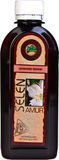
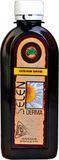
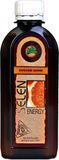
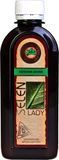
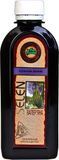
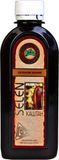
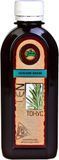
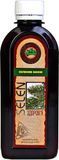
The range of mineral bath phytoconcentrates by Doctor Pirogov Laboratory combines a selenium complex with botanical ingredients.
The range includes 8 selenium phytoconcentrates:
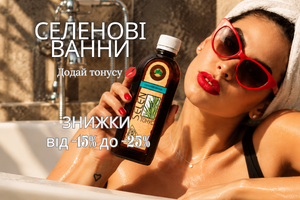
Selenium Health, Selenium Energy, Selenium Valerian, Selenium Chestnut, Selenium Lady, Selenium Amur, Selenium Derma and Selenium Tonus.
This is an important feature of the range: it allows you to choose more than simply a selenium bath. Each phytoconcentrate has its own combination of additional botanical ingredients and has been developed for a particular area of balneological use.
A single product range therefore makes it possible to select a procedure according to individual needs — from relaxing or toning options to specialised skin care and other programmes.
Selenium phytoconcentrates can be used for full and local baths, while the method of use, concentration, water temperature, and duration of the procedure are determined by the instructions for the specific product.
Selenium Baths at Home
Balneology is no longer limited exclusively to spa and sanatorium settings.
Some procedures can be carried out at home when the recommended directions for use are followed. This makes it possible to include selenium baths in a comprehensive care and recovery programme alongside a balanced diet, physical activity, physiotherapy procedures, and other recommendations from a healthcare professional.
It is particularly important to follow the recommended concentration and duration of the bath. With balneological products, the course of procedures and correct use are important.
If you have chronic health conditions or other conditions for which thermal or balneological procedures may have limitations, it is advisable to consult a healthcare professional before beginning a course.
Why Is Selenium Called a “Shield and Sword”?
Behind this striking metaphor lies very real biochemistry.
Selenium is incorporated into selenoproteins and participates in antioxidant defence, immune and reproductive function, thyroid hormone metabolism, and cellular responses to oxidative stress. Selenium status is studied in relation to viral infections, cardiovascular and inflammatory processes, reproductive health, ageing, and many other areas.
The body requires only a very small amount of selenium — yet entire enzyme systems depend on it for normal function.
That is why selenium is a tiny element with a remarkably important biological role.
Selenium phytoconcentrates by Doctor Pirogov Laboratory make it possible to incorporate this approach into balneological procedures and choose from eight different formulations according to individual needs.
Sources and Scientific Basis
This article is based on scientific publications and reference data on the biological role of selenium, selenoproteins, antioxidant defence, immune function, and research into selenium status in various health conditions.
- NIH Office of Dietary Supplements — Selenium: Fact Sheet for Health Professionals — reference information on selenium's role in the human body, selenoproteins, antioxidant defence, thyroid function, reproductive health, selenium deficiency, and safe intake.
- Nutrients — Selenium, Selenoproteins, and Immunity — a scientific review of the role of selenium and selenoproteins in innate and adaptive immune function.
- PubMed — COVID-19 and Selenium Deficiency: a Systematic Review — a systematic review examining the relationship between selenium status and COVID-19 severity and outcomes.
- PubMed — Selenium Serum Levels in Patients with SARS-CoV-2 Infection: a Systematic Review and Meta-analysis — a systematic review and meta-analysis examining selenium levels in patients with SARS-CoV-2 infection.
- PubMed — Role of Selenium in Viral Infections with a Major Focus on SARS-CoV-2 — a scientific review of selenium and selenoproteins in viral infections.